
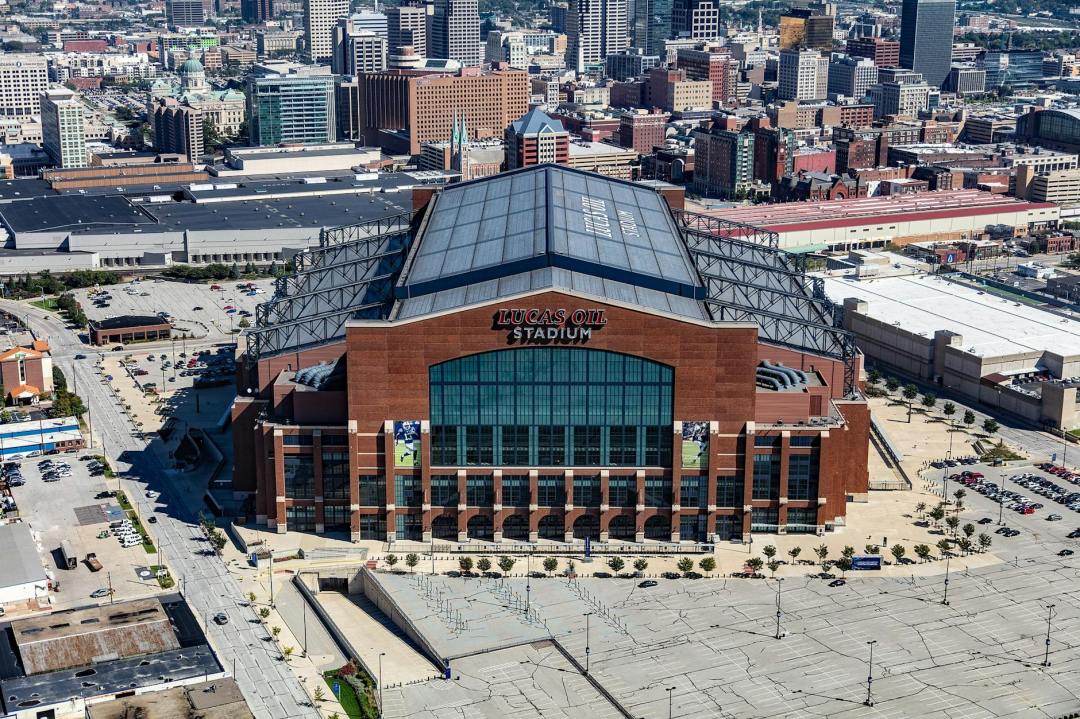
The headlines read: from USA Today, “Southern Baptists reject ban on women pastors in historic vote,” CNN prints, “Southern Baptists narrowly reject formal ban on churches with any women pastors,” and The New York Times reports, “Southern Baptists Reject Tighter Ban on Women in Pastoral Posts.” While these titles catch one’s eye, they do not reflect what actually took place the day this vote was called into question. This article will explain the fundamentals of the amendment, why it didn’t pass, and how the Southern Baptist Convention (SBC) is not drifting towards theological liberalism. The purpose is to provide pastors with a resource to share with their church members and to ease the worries and fears of those who are committed to a church that aligns with the SBC.
The Fundamentals of the Amendment
Southern Baptists are not hierarchical. In other words, the SBC does not have a top-down form of governance. Southern Baptists believe that the Bible teaches in the autonomy of the local church. This means that local churches come together every year at a big business meeting–the Southern Baptist Convention–to vote and hear reports from various committees and entities. Therefore, Southern Baptists are a bottom-up form of governance–the messengers sent by cooperative churches vote to govern the various committees, entities, and commissions.
With that in mind, Southern Baptists are a confessional people. The Baptist Faith and Message 2000 (BF&M 2000) outlines the beliefs that are required for friendly cooperation among all the churches. Think of this document like a big fence that allows for diversity of orthodox views in the secondary and tertiary areas of theology, but a hard stance on the essentials of the Christian faith. To use the phrase of seminary professors, a church must teach and practice “in accordance with and not contrary to the BF&M 2000.”
The BF&M 2000 contains this sentence for the office pastor, “While both men and women are gifted for service in the church, the office of pastor/elder/overseer is limited to men as qualified by Scripture” (See article VI). As one may notice, this confessional document defines that the role of pastor is to be reserved for men in accordance with the teaching of Scripture. So, what was voted on that failed at the Indianapolis convention in 2024?
Messenger Mike Law proposed an amendment to the SBC’s constitution, which is a governing document not a confessional one. To make a change to the constitution, a 2/3rds majority must vote in support of the amendment two years in a row. The vote in Indianapolis fell short by 5% in year two, which means the constitutional amendment was lost. The amendment to the constitution was lost, but the BF&M 2000 was not changed nor impacted by this result. This is an important point to remember when reading the headlines of popular news outlets.
Why the Amendment Did Not Pass
While the vote failed by 5%, those who voted against the amendment did so on the unnecessary need for a constitutional change rather than for theological reasons. The argument can be summarized like this: The SBC already has a confessional document that outlines the role of pastor and a system for removing churches who do not adhere to this confessional document in both beliefs and practice. Those who voted against thought that adding this amendment to the constitution seems to be both redundant (BF&M 2000) and unnecessary (policies and procedures already in place). Those who voted for the amendment did so to ensure that the SBC remained clear on the role of pastor for the generations that will follow in the future. The main takeaway is that many of the votes against the constitutional amendment were not for theological reasons.
Is There a Theological Drift Happening?
Some news reports imply that the vote against the new amendment means that the SBC endorses women to serve in the role of pastor. As has been outlined in a previous section, this was a vote on a constitutional change not a modification of the SBC’s confessional document. The amendment for a change to the constitution did not pass, but this does not mean that there is a theological drift happening in the convention.
To validate this claim, one should review the messengers’ voices when it came to the theological difference of First Baptist Church of Alexandria, Virginia, which took place the day before the constitutional amendment vote. The Credentials Committee with much sadness brought forth FBC Alexandria because they were operating outside of the bounds of the BF&M 2000 by ordaining women into the pastorate. Let the reader understand that these types of convention votes are not joyful, but rather a solemn experience. The SBC desires churches to turn from teachings and practices that are contrary to Scripture so that they can continue to partner with the SBC and together fulfill the Great Commission in convictional and doctrinal unity.
The convention messengers voted 91.78% that FBC Alexandria was no longer in friendly cooperation with the SBC. Their practices had gone outside the bounds of biblical orthodoxy and the BF&M 2000. This vote, which took place prior to the constitutional amendment, affirms that the SBC is not drifting towards theological liberalism.
Bottom Line
The media headlines may not be an accurate depiction of what took place at SBC 2024 in Indianapolis, Indiana. This article was designed to explain the fundamentals behind the constitutional amendment, provide a reason as to why it failed to receive the 2/3rds vote required for passing in its second year, and to assure readers that the SBC is not embracing theological liberalism. Feel free to use this as a resource when the need arises. In addition, those who are affiliated with a Southern Baptist Church should not fear nor worry about a theological drift taking place with the outcome of this vote.
Enter your email to subscribe to beimitators.com here:
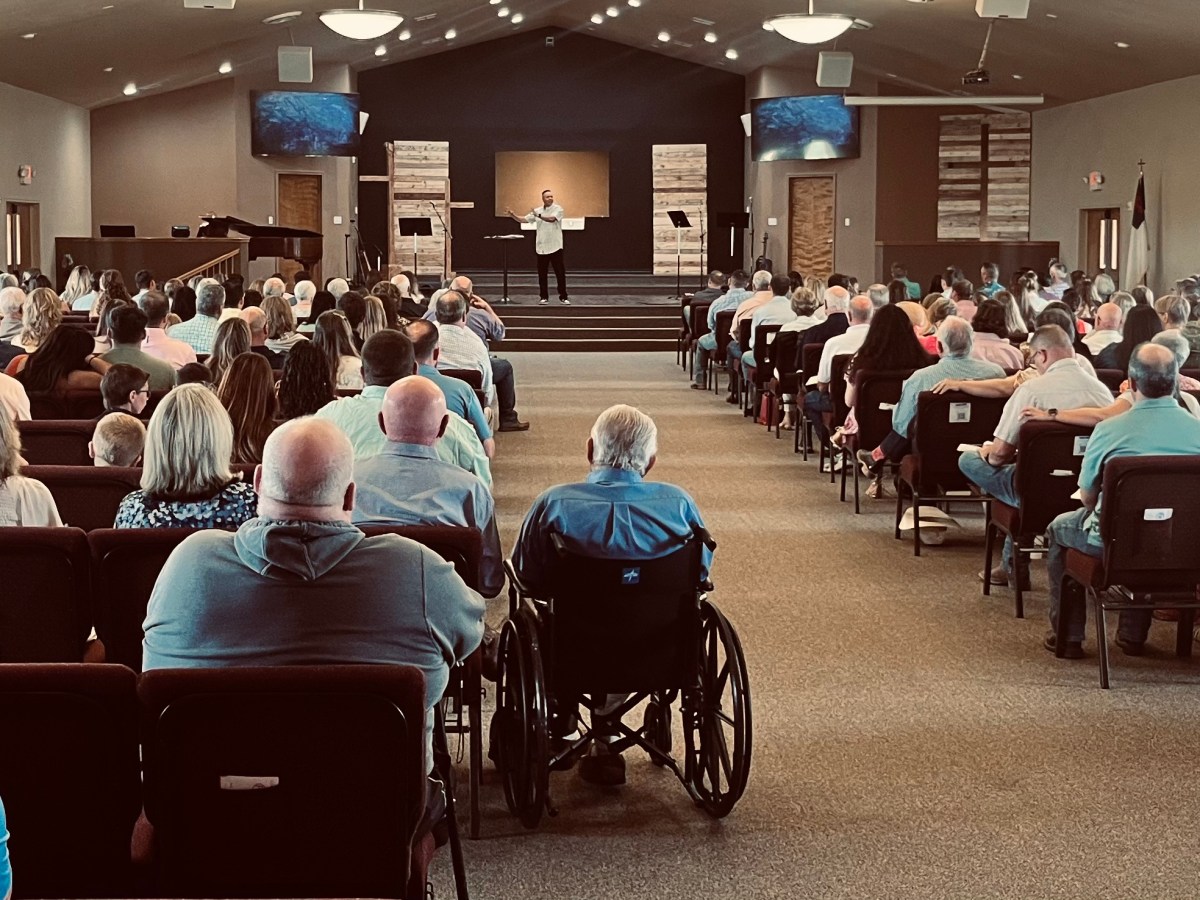
A Holy Spirit Led and Empowered Movement: A Story About God’s Favor at FBC Holland
A dear friend of mine was in town recently, and I was sharing with him all the work that God is doing at First Baptist Church of Holland, in Holland, Texas. Yes, you’ve probably never heard of us. If you drove through our town, you most likely would not even realize you were in it.…


One Preacher’s Process for Preparing A Sermon
One question pastors like to ask each other is: “How do you prepare your sermons for Sunday?” The responses differ based on personality, capabilities, experience, and time constraints. For example, Jim Shaddix used to prepare all week for his sermon. John Piper studies and writes his on Friday. Joby Martin spends all day Monday getting…

THE ERLC NEEDS REFORM RATHER THAN BEING ABOLISHED
We are weeks away from thousands of Southern Baptist messengers migrating to Dallas, Texas for the annual Southern Baptist Convention (SBC). Southern Baptists hold to the autonomy of the local church. Unlike a denomination, which consists of a top-down organizational structure, the SBC has a bottom-up polity. Local and like-minded churches choose to partner with…

 Be Imitators