

God’s Mercy in Scripture
God’s Word says, “Be merciful, just as your Father also is merciful” (Luke 6:36). The Greek word for “mercy” can mean “to treat as a loving child” (cf. Louw-Nida). This phrase seems to fit the context of Luke 6:36, which identifies God as “your Father.” In the midst of our struggles in life, sometimes we don’t truly fathom nor believe that our Father in heaven is showing his mercy towards us.
God consistently displays his mercy during both the good seasons and difficult seasons of life’s journey. Recently, I found Anne Graham Lotz’s Wounded by God’s People: Discovering How God’s Love Heals Our Hearts. A former church member from about four years ago gave me this book when I was pastoring a church in Mauldin, South Carolina. This godly saint wrote in the cover, “To Pastor J. This book has been an inspiration for me and set me free from God’s ‘sandpaper’ Christians.” The point I want you to take away is that God’s mercy can be revealed in many ways including good books like this from Christian authors like Anne Graham Lotz.
Therefore, I want to recommend this book to you if you have ever experienced or are experiencing church hurt at the hands of God’s people (a link is provided at the bottom of this post). This book review will not necessarily interact with the material critically, academically, nor theologically, but rather provide you with 4 reasons for picking up Wounded by God’s People if you are a wounded Christian.
4 Reasons to Read Wounded by God’s People
Reason 1: You are not alone. One of the most heartbreaking aspects of the book is the amount of people’s wounds Graham reveals from her own experiences. God has created us for community, and when people are wounded by “sandpaper” Christians, one of the ways the enemy likes to stir up hatred and bitterness is to convince us to go into exile or isolation. Graham shares an experience that caused her and her husband to leave the church for one year. The author’s words will try to help you steer clear of both of these responses to your hurt. The sad reality but also comforting truth is that if you have been wounded by the church you are not alone.
Reason 2: An imperfect Christian does not reflect our perfect God. When you and I experience church hurt, the first place we go to point blame is God. Questions like: How could you do this to me? Why should I follow and serve you and your people if this is how I’m treated? are all ways we drop the problem at God’s feet when we experience church hurt. Graham reminds her readers that the imperfections of his people do not represent him. We live in a fallen and broken world, but Christ’s life, work, and resurrection illustrates that our wounds from others should not cause us to break fellowship with his grace, mercy, and love. To put it another way, his perfection trumps the imperfections of wounders.
Reason 3: A time for spiritual reflection. One of the most difficult parts of her book is that she makes the reader stop and think about how they might have contributed to the wound–either intentionally or unintentionally. The premise of spiritual reflection is to ask yourself, “What is God teaching and doing in me through this wound?” This is where the gospel really comes to the forefront. Jesus was wounded for our transgressions by the beatings he incurred, the crown of thorns smashed on his head, and ultimately, his death on the cross. Graham illustrates that Jesus’s nail holes and the puncture wound on his side were still visible to his disciples after his resurrection. The point she makes is that the marks of those wounds might always be present, but through the gospel they will be healed. Part of that healing comes through personal and spiritual reflection on our own contributions to the hurt.
Reason 4: Offering forgiveness to the wounders. If you are wounded, this will be the second most difficult part of this book. Graham reminds her readers that the gospel is Christ’s work on behalf of sinners–wounders, wounded, or enemies of God. Jesus’s example is the epitome of forgiving those who wound you just as Christ forgave those who wounded him and you. Two reasons she highlights this truth for wounded Christians. First, withholding forgiveness takes one from being wounded to being a wounder. The idea is that hurt people hurt other people. Second, denying forgiveness prohibits the peace of God in your life. Graham shares a story of a woman who was wounded by the church. This Christ follower decided to deny forgiveness and seek revenge because she felt it would justify her pain for being wronged by God’s people. The author reveals that years later this woman realized what she had done was not only unhelpful for her healing, but also prevented her from a “peace that surpasses all understanding” (Phil 4:7).
Highly Recommend
Beloved, I highly recommend this book if you are dealing with wounds from God’s people. It is worth the read even though there will be parts that might feel as if the author is lightly rebuking and exhorting you with her words. Some sections will challenge your walk with God and God’s call to heal you from your wounds through reflection and extending forgiveness. Yet, Graham’s work is both Christocentric and God magnifying. Therefore, I leave you with her words, “Rather than rejecting you, [God] seeks you and draws you into His loving arms so that you might be healed of your wounds. God gives hope when there is no hope because God loves you. He truly loves you…! But to experience the fullness of His healing love, you must close the door on your past” (p. 221).
A Holy Spirit Led and Empowered Movement: A Story About God’s Favor at FBC Holland
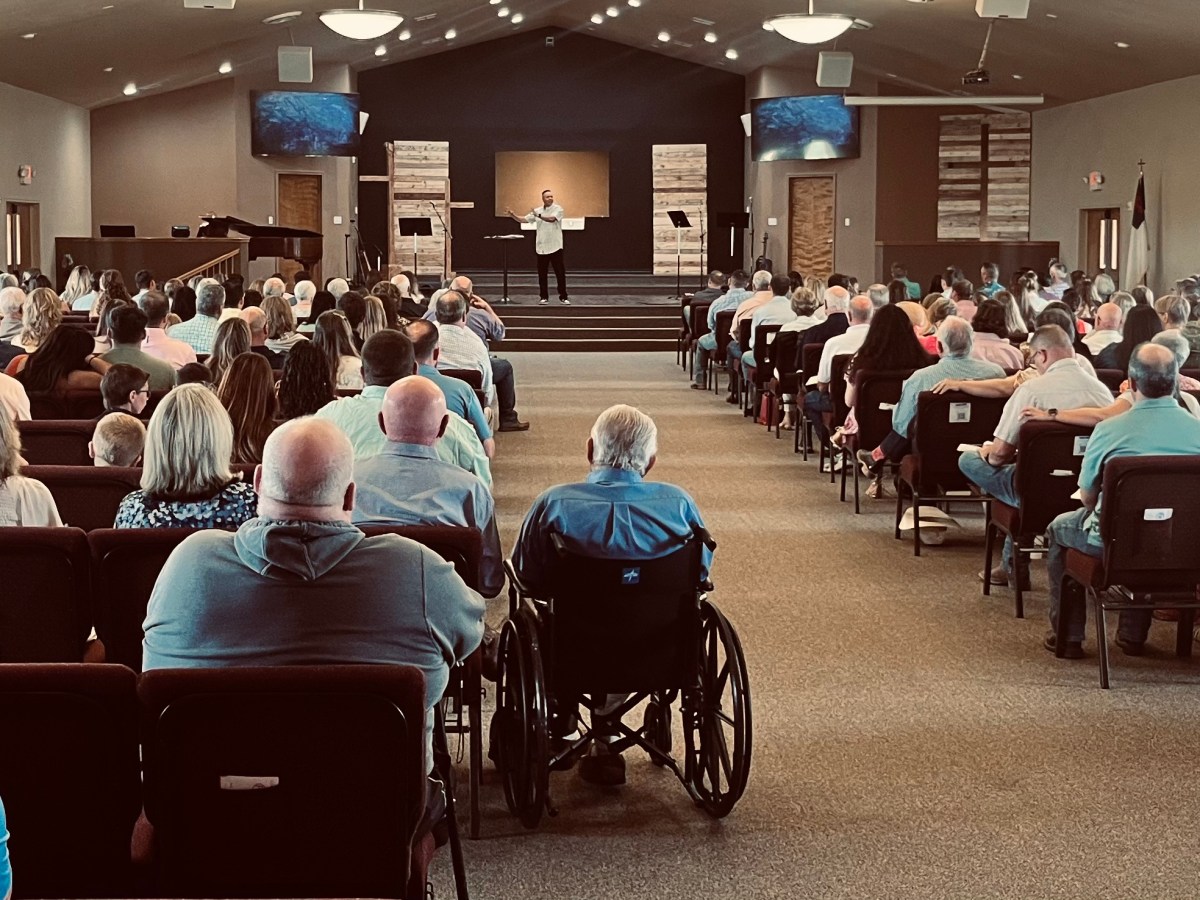
A dear friend of mine was in town recently, and I was sharing with him all the work that God is doing at First Baptist Church of Holland, in Holland, Texas. Yes, you’ve probably never heard of us. If you drove through our town, you most likely would not even realize you were in it.…


One Preacher’s Process for Preparing A Sermon
One question pastors like to ask each other is: “How do you prepare your sermons for Sunday?” The responses differ based on personality, capabilities, experience, and time constraints. For example, Jim Shaddix used to prepare all week for his sermon. John Piper studies and writes his on Friday. Joby Martin spends all day Monday getting…

THE ERLC NEEDS REFORM RATHER THAN BEING ABOLISHED
We are weeks away from thousands of Southern Baptist messengers migrating to Dallas, Texas for the annual Southern Baptist Convention (SBC). Southern Baptists hold to the autonomy of the local church. Unlike a denomination, which consists of a top-down organizational structure, the SBC has a bottom-up polity. Local and like-minded churches choose to partner with…

 Be Imitators